.png)
.jpg)
Google Cloud Platform (GCP) entered the last week of October 2025 amid vibrant innovation and ongoing efforts to enhance its reliability following significant service impacts earlier in the year. For enterprise decision-makers, understanding these developments is crucial both to leverage GCP’s advancing capabilities and to manage risks around cloud service disruptions effectively. This blog consolidates key updates from October 22 to October 29, 2025, spanning product upgrades, new features, and an overview of notable service health events.
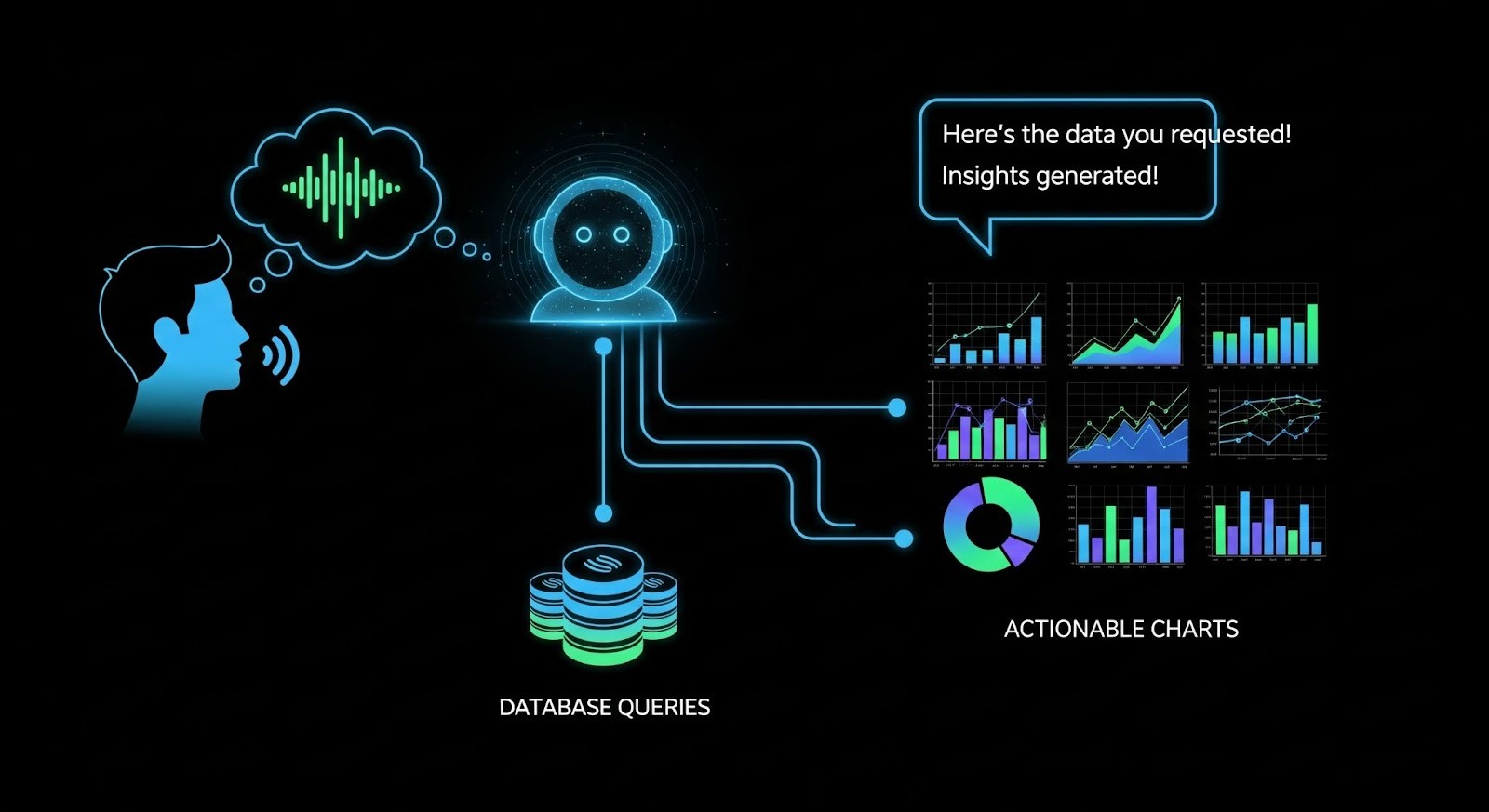
Imagine asking your data plain English questions — and getting immediate, insightful answers without writing a single SQL query. That future is here with BigQuery’s new conversational analytics early access. Teams can now run natural-language queries on massive datasets and even build AI agents to interact beyond BigQuery itself.
Why it matters: This breakthrough democratizes data, empowering decision-makers to harness insights faster and more intuitively.

Google Kubernetes Engine (GKE) just made cluster upgrades less disruptive with autoscaled blue-green update preview — meaning your critical workloads stay online even while infrastructure evolves. Plus, GKE Autopilot added NVIDIA RTX PRO 6000 GPUs for advanced AI training and inference.
Why it matters: Scale innovation without downtime, and unlock new AI acceleration possibilities that can drive smarter product offerings.

Dataproc’s Lightning Engine for Apache Spark is now generally available — delivering up to 4.3x faster data processing compared to open-source Spark. This means cost savings and speedier time-to-insights for enterprises drowning in big data.
Why it matters: Speed enables better, real-time decisions — a game-changer in competitive industries like finance and retail.
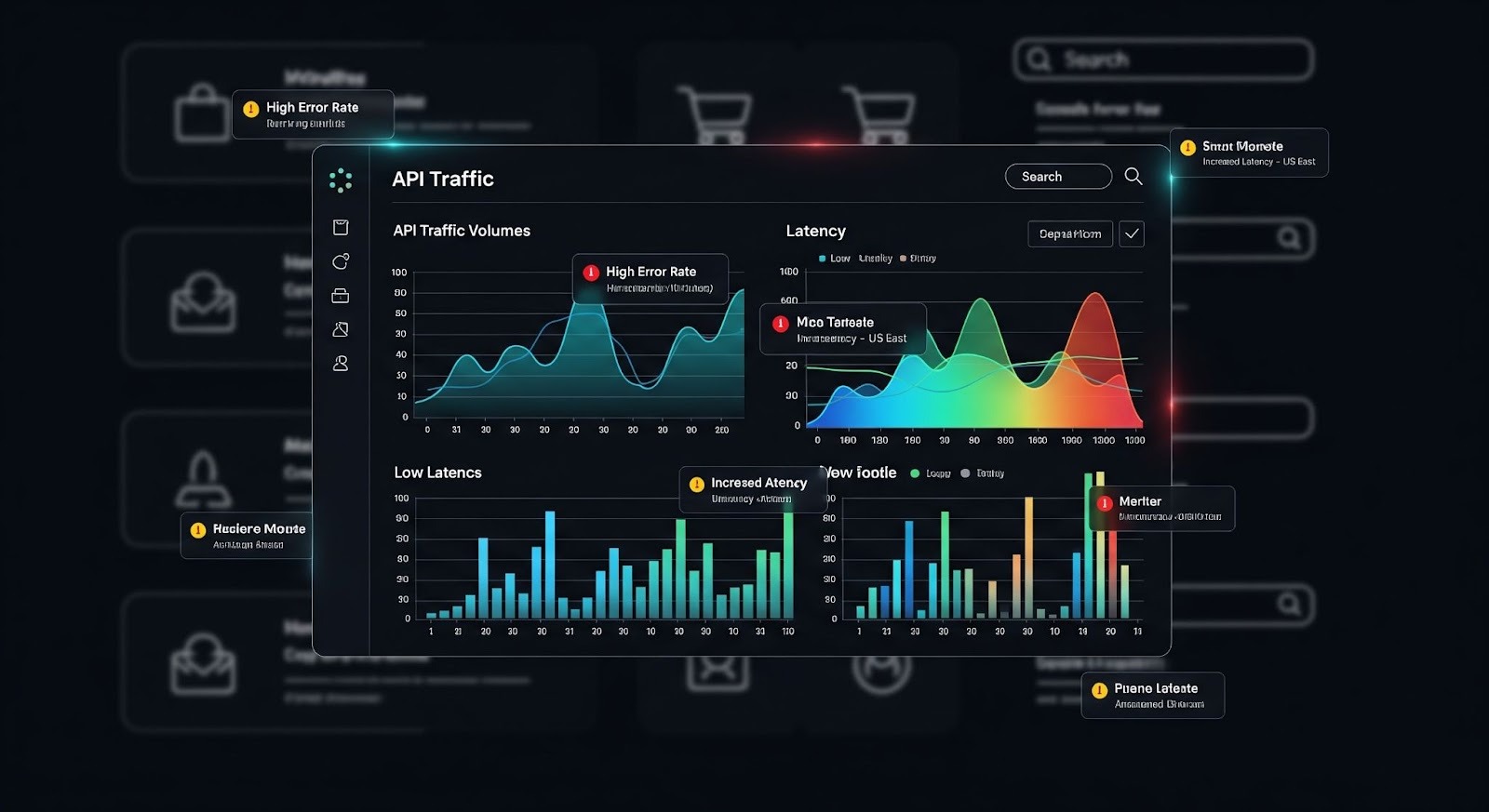
Apigee API Hub now offers granular API traffic and latency insights across all gateways. This enables teams to pinpoint bottlenecks and optimize API performance from a unified dashboard.
Why it matters: As APIs become digital business lifelines, understanding their health is critical to seamless customer experiences.

AlloyDB enhances network access control flexibility, allowing fine-grained restrictions to safeguard sensitive data. Meanwhile, Google SecOps empowers security teams with intelligent risk alerts and streamlined environment management.
Why it matters: Enhanced security practices reduce risk and compliance struggles, protecting both enterprise data and reputation.
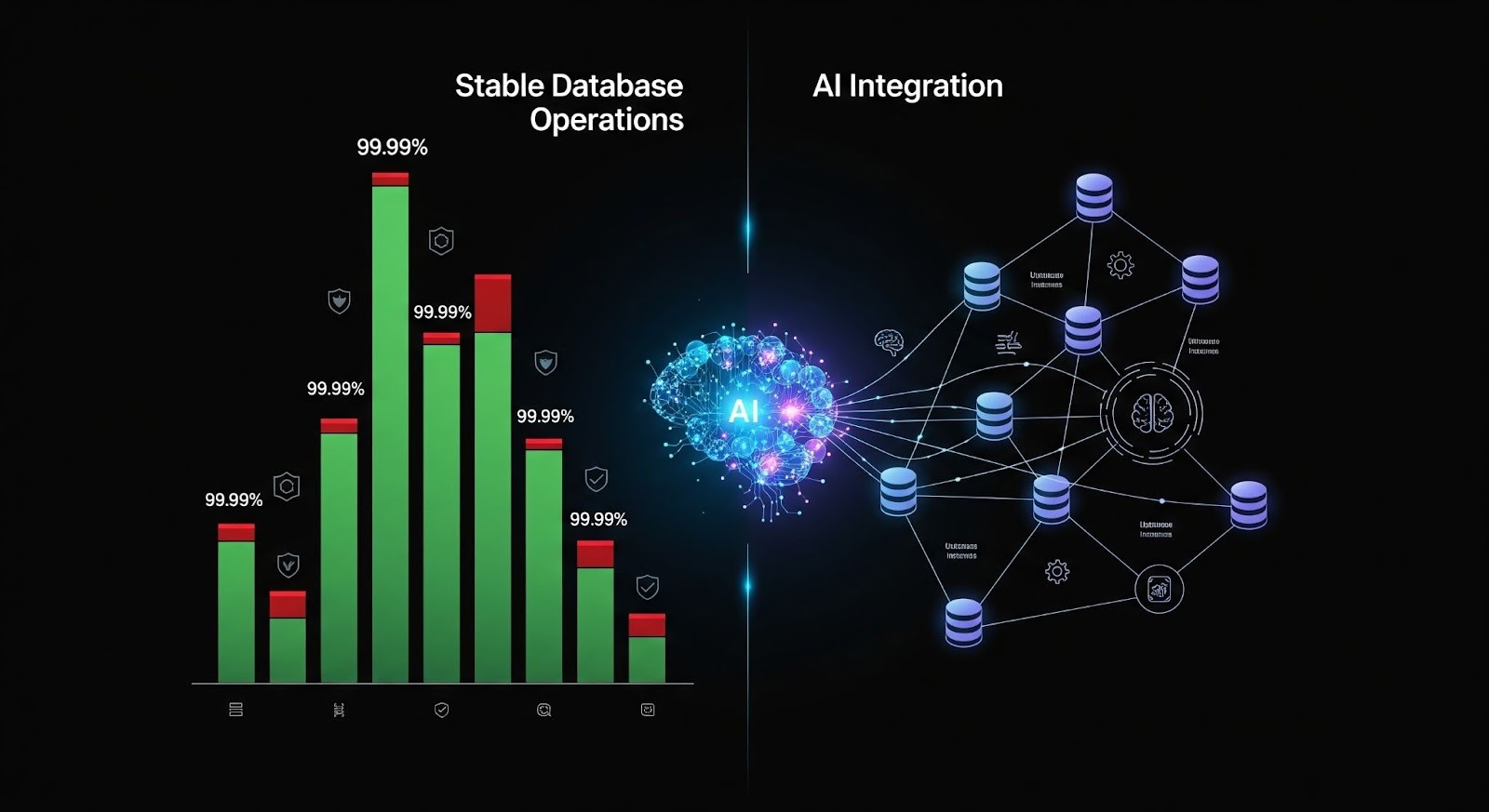
Cloud SQL optimized writes reduce downtime risk with adaptive I/O boosts. Bigtable adds vector and key-value store support for large language models (LLMs), positioning GCP for stronger AI integration.
Why it matters: Blending improved reliability with AI capabilities accelerates innovation pipelines without compromising service.
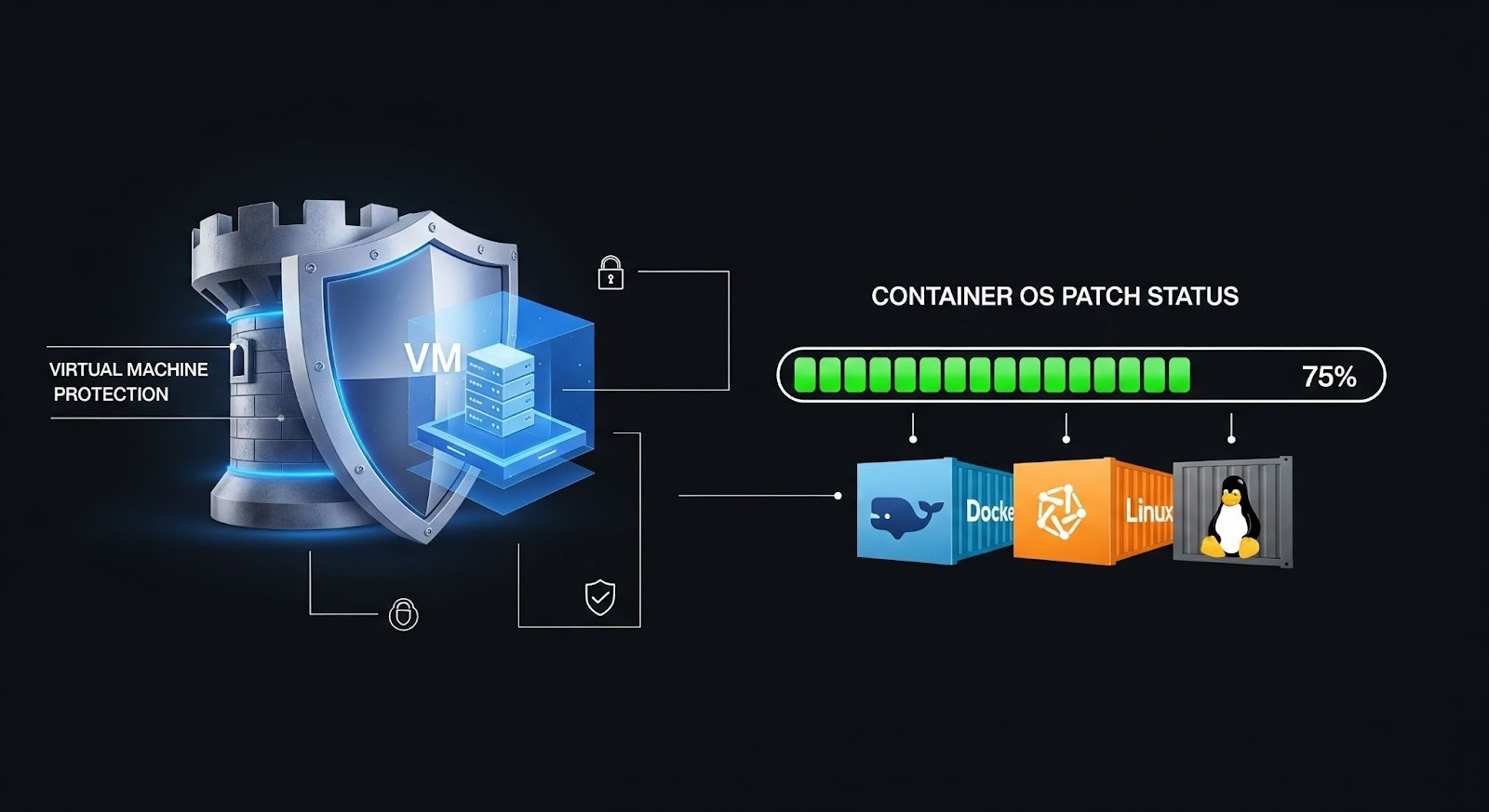
Upgraded AMD SEV-SNP attestations raise trust in confidential VMs. Container-Optimized OS images roll out security patches, closing vulnerabilities in core components.
Why it matters: Bolstering foundational cloud security builds trust with customers handling critical or regulated workloads.
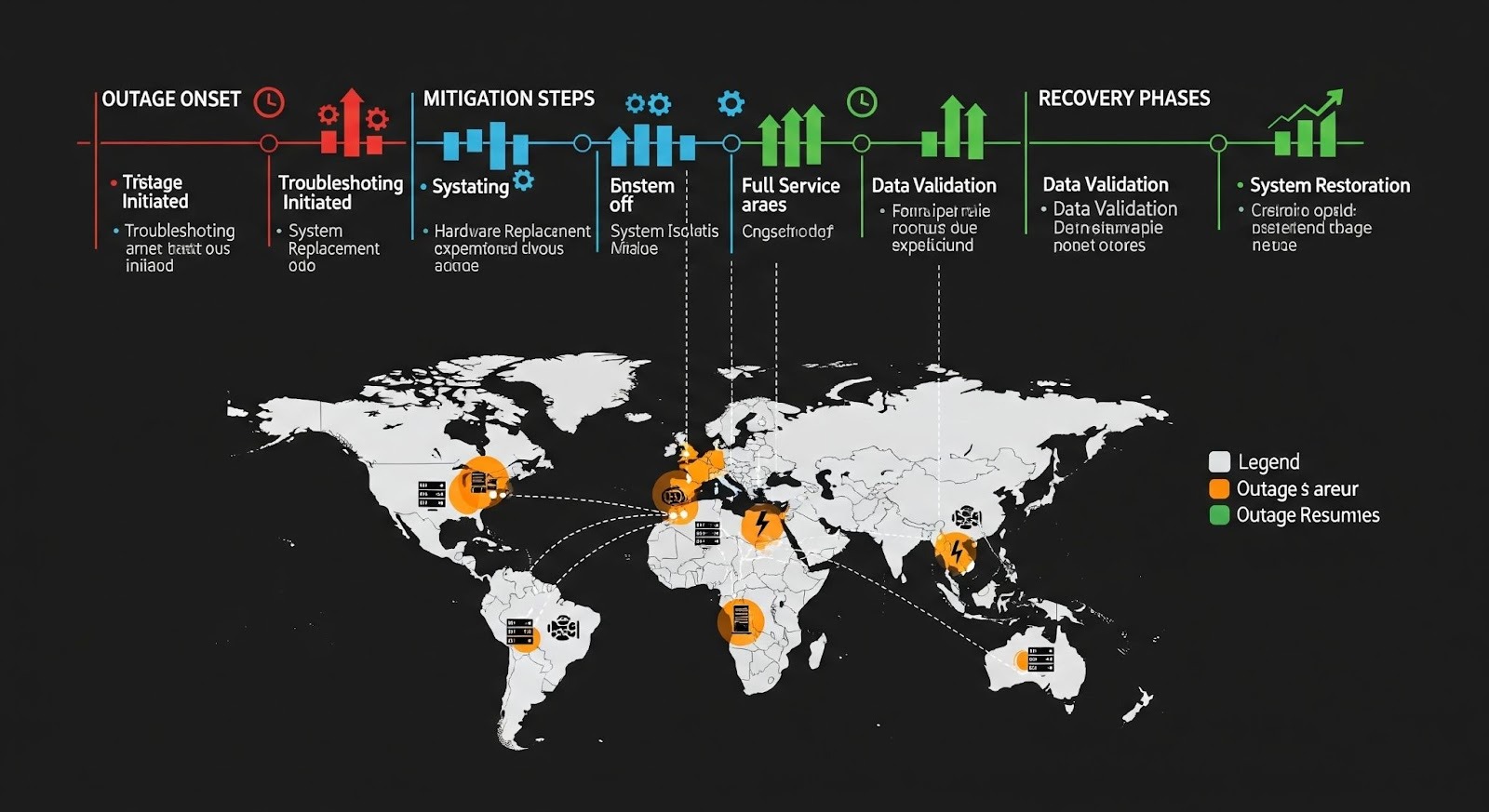
Earlier in 2025, a Google Cloud outage exposed vulnerabilities when an automated system error cascaded across key products — causing multi-hour disruptions. Since then, Google has invested heavily in safeguards to prevent repeat scenarios.
Why it matters: Outages can impact revenue and reputation. Proactive cloud risk management with multi-region strategies and robust incident response is a must-have boardroom topic.
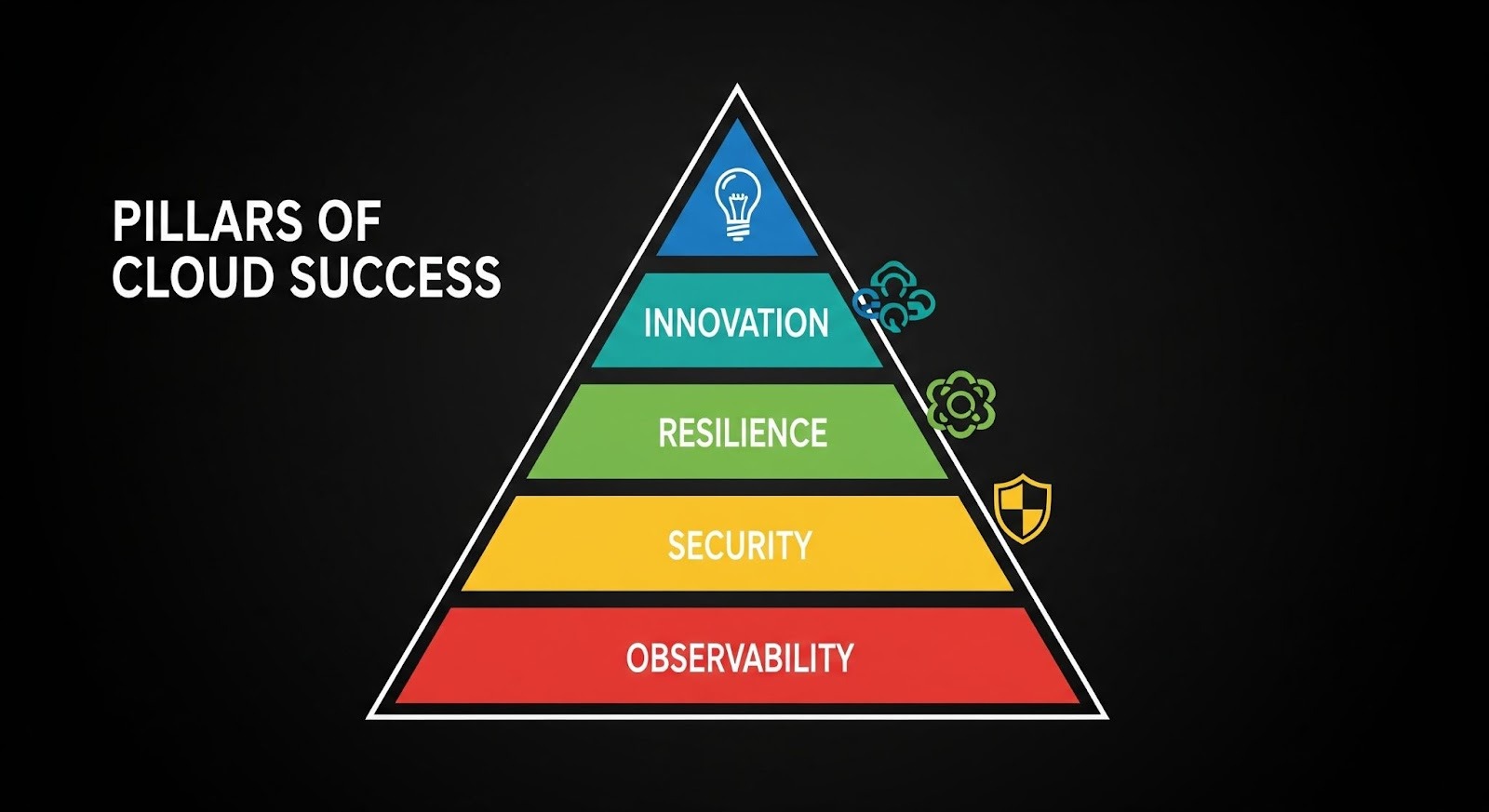
Google Cloud’s October 2025 advances occur amid intense rivalry with AWS and Azure, both rapidly expanding AI and analytics capabilities. GCP’s conversational analytics strengthens its differentiation by democratizing access to big data insights without SQL expertise. Meanwhile, AWS’s RTB Fabric launch and expanded sustainability tools spotlight vertical specialization and environmental accountability. Enterprises should monitor evolving cloud portfolios and vendor advances to balance cost, capability, and compliance needs.
Enterprise leaders should view GCP’s evolving AI-first ecosystem as a key enabler of competitive agility. Prioritize cloud strategies that leverage conversational analytics and advanced ML for predictive insights to drive innovation. Invest in multi-region architectures and modern security frameworks to safeguard business continuity. Carefully track competitor moves, including AWS’s vertical cloud expansion and Azure’s resilience investments, to optimize vendor partnerships.
Traditional cloud commitments often lock you into long-term contracts that limit flexibility and increase financial risk. Usage.ai’s Flex Commitment Program offers a dynamic, risk-managed solution that maximizes savings while providing unmatched flexibility.
How It Works: Usage.ai analyzes your cloud usage, recommends optimal commitments, and automatically executes purchases—no code changes or downtime needed. All active commitments are visible in your dashboard for complete transparency.
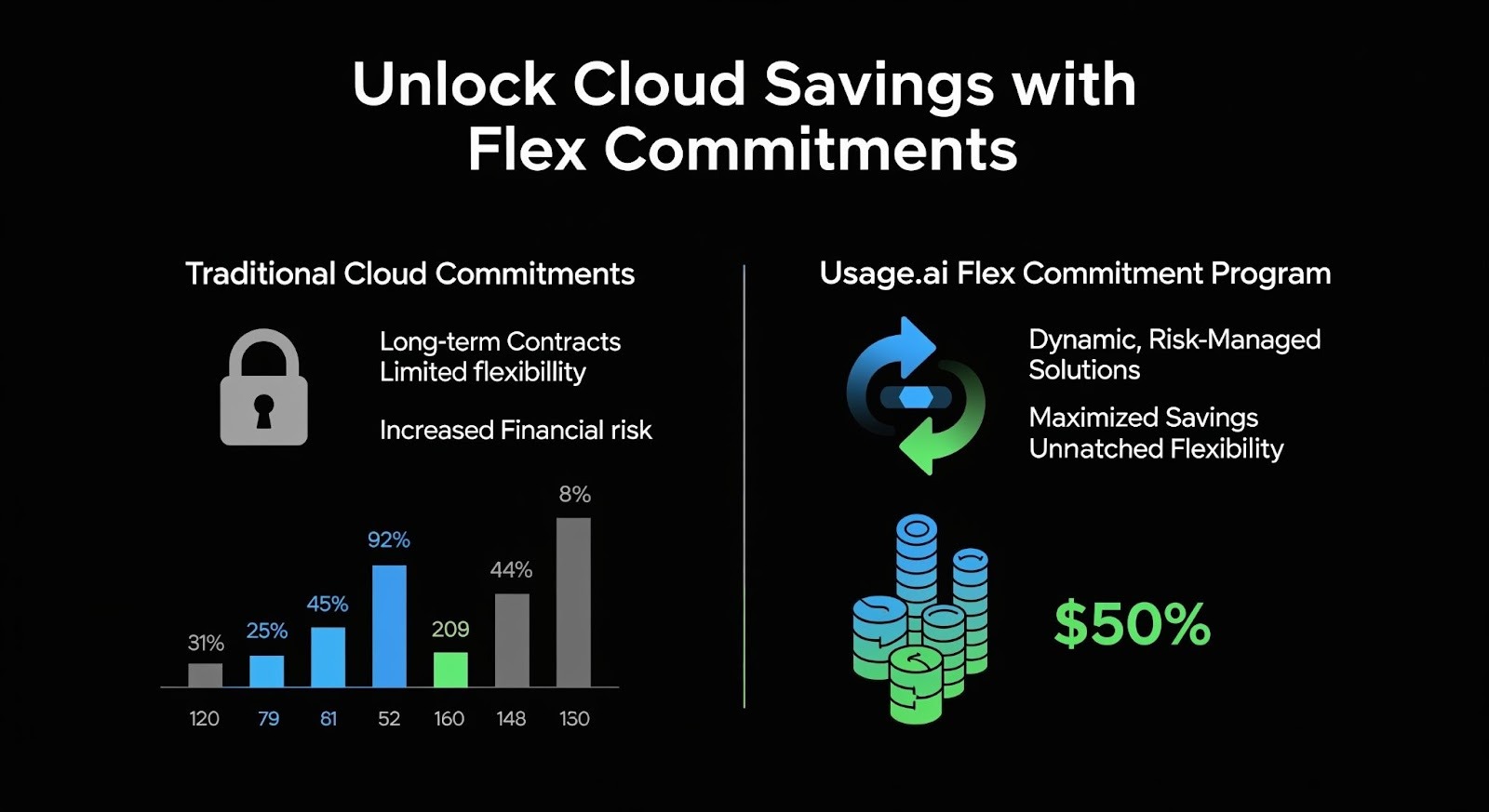
Why Choose Flex Commitments?
Enjoy the cost benefits of long-term commitments paired with the security to adapt as your usage evolves, saving up to 57% on cloud spend—effortlessly.
Get Started:
Log in to Usage.ai, connect your AWS environment, and receive a free, automated analysis of your discount coverage and regional workload cost optimization strategies. This onboarding process typically takes between 5 and 10 minutes.
Ready to maximize profitability by automating your cloud commitment spend?
Share this post


.svg)

.png)
.png)